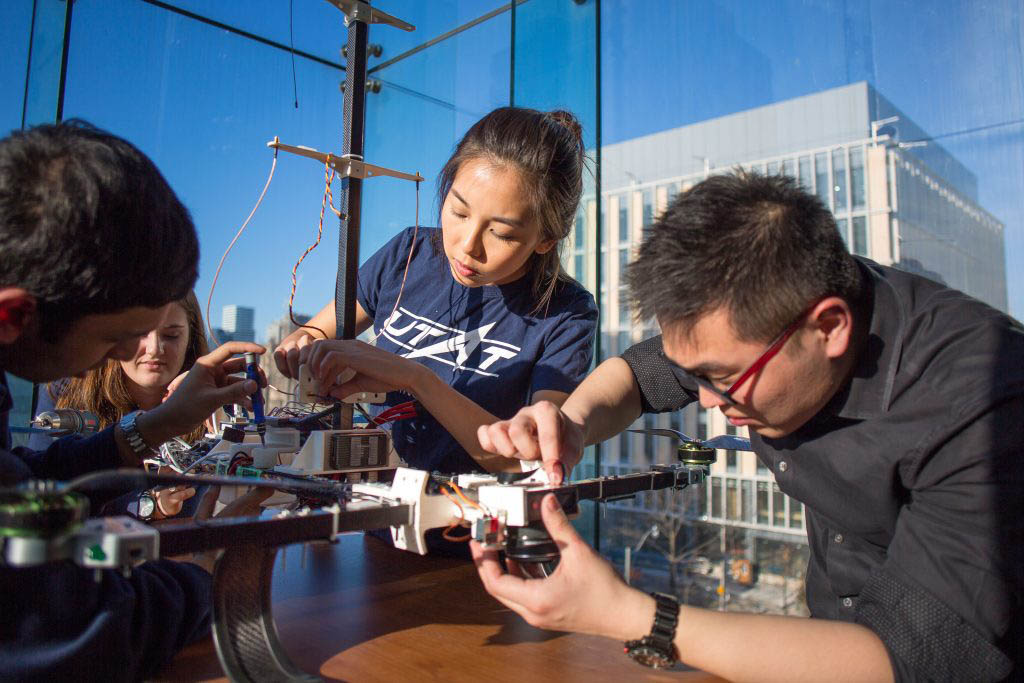
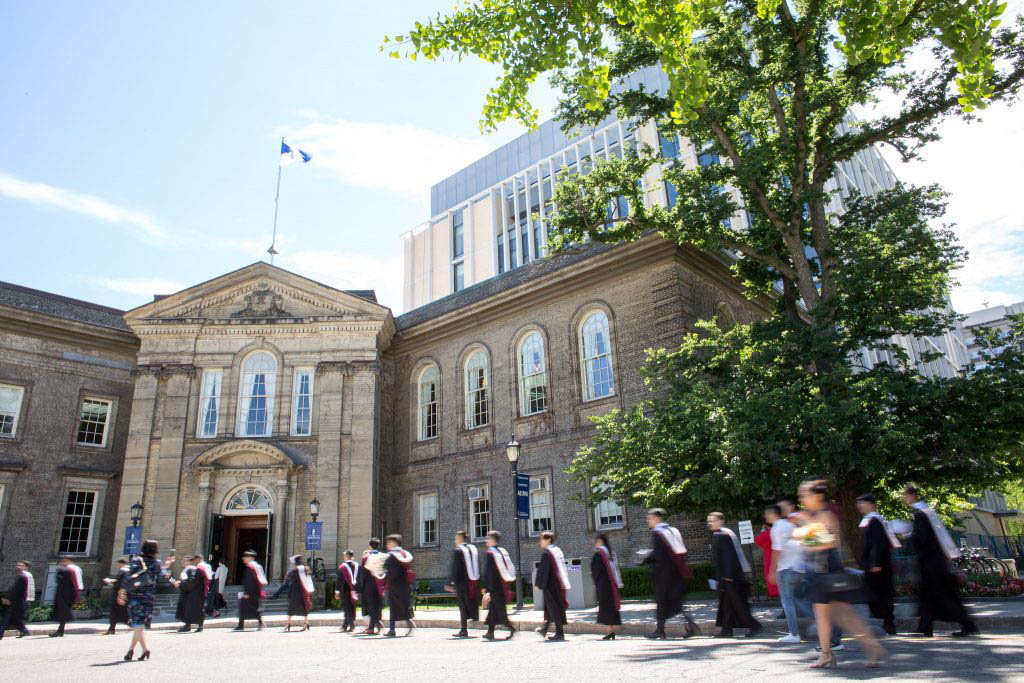
More than 1,800 exceptional students from around the world pursued graduate studies in 2011-2012 at U of T Engineering – an increase of 10 per cent over last year that moves us steadily towards our goal of 2,000 graduate students by 2015. Benefiting from collaborations with world-class researchers and scholars, our MEng, MHSc, MASc and PhD students are graduating with the skills, knowledge and networks to make an impact in their area of specialty.
A growing number of graduate students are seeking our MEng program. Its appeal is partly the result of the expanded flexibility and breadth represented by new course and certificate opportunities. MEng certificates, in particular, are helping students reinforce specific interests or explore additional areas to expand their credentials. In 2011-2012, we introduced four new graduate certificates (Energy Studies, Healthcare Engineering, Computational Mechanics in Design, and Robotics & Mechatronics); and developed the flex-time PhD option for students in Mechanical & Industrial Engineering. The new Clinical Engineering PhD program received its first cohort of students in fall 2011, and we welcomed our first Graduate International Foundation Program students in fall 2012.
In 2011-2012, we saw a 5.5-per-cent increase over the previous year in registered PhD students, as well as increased application numbers across all of our graduate programs. These are welcome trends as we work toward recruiting more top PhD students into our Faculty.
We are also enriching the experience of our graduate students with new opportunities to apply their knowledge and skills in industry. Graduate students interested in adding a paid internship to their learning will benefit from the new Graduate Enterprise Internship Program, funded by the Federal Development Agency for Southern Ontario (FedDev Ontario);. This initiative, launched in 2012 and administered by the Engineering Career Centre, will support up to 300 six-month internships in small and medium-sized enterprises.

Our strong worldwide reputation as a leader in engineering research and education enables us to attract increasing numbers of outstanding graduate students. In 2012-2013, we had our highest-ever number of applicants. At the same time, we admitted a smaller and academically stronger group of graduate students, thereby becoming more selective. With 1,933 high-calibre students registered, we are well on track toward meeting our goal of 2,000 graduate students by 2015.
This past year, we actively recruited an even more diverse graduate student cohort: 22.5 per cent are from outside Canada and 26.2 per cent are women (up from 25.1 per cent in 2011-2012);. Such diversity enriches the experience for all students. Graduate students collaborate with national and international researchers, professionals, industry partners and peers, gaining exposure to different points of view and perspectives. In turn, they teach and mentor our undergraduates, creating a richer learning and teaching environment.
As members of our research community, graduate students are proof of the observation that engineers create that which never was. For example, Electrical Engineering PhD candidate Graham Carey is exploring some of the key challenges in making quantum-dot solar cell systems more efficient. Carey received the Natural Sciences and Engineering Research Council’s prestigious Andre? Hamer Postgraduate Prize, awarded each year to only one doctoral student in the country.
We continue to expand options within our professional Master of Engineering (MEng); program, with a new MEng in Cities Engineering and Management and certificate options in Advanced Water Technologies & Process Design and Financial Engineering. These graduate students, often working professionals, have increased flexibility in completing the MEng program with the introduction of the extended full-time option.
In partnership with the School of Continuing Studies, we provide opportunities to internationally educated engineering professionals looking to build successful careers in Ontario through the Licensing International Engineers into the Profession (LIEP); bridging program.

The exceptional quality of our research and strong international reputation continue to attract graduate students of the highest calibre. The Faculty has focused over the last few years on both growing and enhancing our graduate programs as we work towards our long-term Academic Plan goal of balancing the graduate:undergraduate ratio to 40:60. We have made tremendous progress by keeping undergraduate enrolments on target and surpassing our goal of 2,000 graduate students by 2015 – an increase of nearly 40 per cent over the past five years.
We offer outstanding opportunities to conduct research with some of the brightest minds in their fields and have created options to attract talented engineers currently working in industry. One such option is the flex-time PhD, already in place in Mechanical & Industrial Engineering and available to students in Chemical Engineering & Applied Chemistry and the University of Toronto Institute for Aerospace Studies in the fall.
We have also partnered with the Ontario Institute for Studies in Education (OISE); to introduce the country’s first collaborative program in Engineering Education at both the master and PhD levels.
Our MEng applications and enrolments are at an all-time high. Most notably, international MEng enrolment has increased from 18 to 114 over the past five years. To ensure that we continue to strengthen our links to engineering professionals, we have further enhanced our MEng programs with the introduction of new certificates and emphases in Financial Engineering, Advanced Water Technologies & Process Design, and Sustainable Aviation.