
Bangladeshi Students’ Association
Sustainable Engineers Association (SEA)
Since 2009, the Sustainable Engineers Association (SEA) has been dedicated to fostering interest and awareness in sustainability by equipping University of Toronto students with the tools and knowledge needed to drive change and innovation in the field. SEA also emphasizes professional development, integrating career-focused activities with sustainability to help students pursue careers in the energy and sustainability sectors. This mission is advanced through several impactful programs, including the Annual Sustainability Conference, which is considered the largest of its kind on campus with 175+ participants. Other notable initiatives include the Annual Sustainability Hackathon Competition, Sustainability Educational Program, Sustainability Mentorship Program, Sustainability Green Project, and Sustainability Entrepreneurship Tradeshow.

Key accomplishments
Annual SEA Sustainability Conference - The 2025 Annual SEA Sustainability Conference centered around the theme Adaptation – Planning for Future Challenges, with a strong emphasis on climate resilience, sustainable entrepreneurship, adaptation-focused academic research, and emerging trends in mitigation and planning. The event featured over 208 attendees, 17 volunteers, and 11 exceptional speakers, alongside multiple engaging panel discussions designed to spark meaningful dialogue around sustainability. The conference welcomed current University of Toronto students, alumni, industry professionals, and the general public. Notably, we directly reached 195 undergraduate students from U of T—primarily from the Faculty of Engineering—who either attended or volunteered. In collaboration with stakeholders such as Student Energy, UTERN, and the University of Toronto Sustainability Office, we hosted a sustainability tradeshow to connect students with industry leaders.
Annual Hackathon - In March 2025, SEA hosted its Annual Hackathon, focusing on energy efficiency in the building sector. A total of 75 undergraduate students from U of T participated, working in 15 teams to develop innovative solutions that support decarbonization and energy sustainability in the building industry. Four judges from both academia and industry evaluated the projects. Winning teams received gift vouchers and were offered mentorship to further develop their ideas.
Sustainability Clean-Up Campaign - SEA organized a Sustainability Clean-Up Campaign at McCaul Orde Park to promote the three core principles of sustainability: Reduce, Reuse, and Recycle. The workshop attracted 42 student participants who actively contributed to cleaning up the local area. Attendees reported that the event was both meaningful and educational, and many signed up for our mailing list afterward.
CPSIF funding impact
Thanks to the generous support from CPSIF funding, we were able to significantly subsidize student tickets for our Annual Sustainability Conference and provide 20 complimentary tickets to students facing financial barriers, thereby enabling them to attend when they otherwise would not have been able to. The funding also allowed us to host our competition and hackathon entirely free of charge, ensuring accessibility for all students. Additionally, we were able to incorporate sustainable catering into our events, aligning our practices with our core values. These impactful initiatives were made possible through CPSIF's support, and we extend our sincere thanks for enabling us to deliver meaningful, inclusive, and values-driven programming.

Sustainable Entrepreneurship Panel.

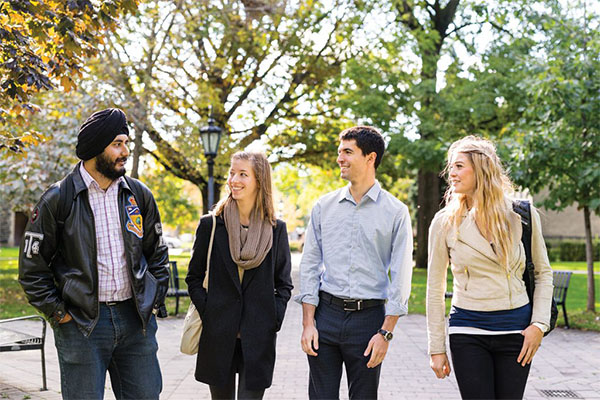
Students at the Annual Sustainability Conference 2025.
Category/categories:
Explore student groups
All
- All
- Arts and Music
- Athletics
- Cultural, Faith or Identity-based
- Design/Competition
- Discipline-specific
- Education and Professional Development
- Hobby/Special Interest Focus
- Social Change and Advocacy